Movie Review
Title: Flawed is Beautiful
Genre: Documentary
Director: Adam Foley
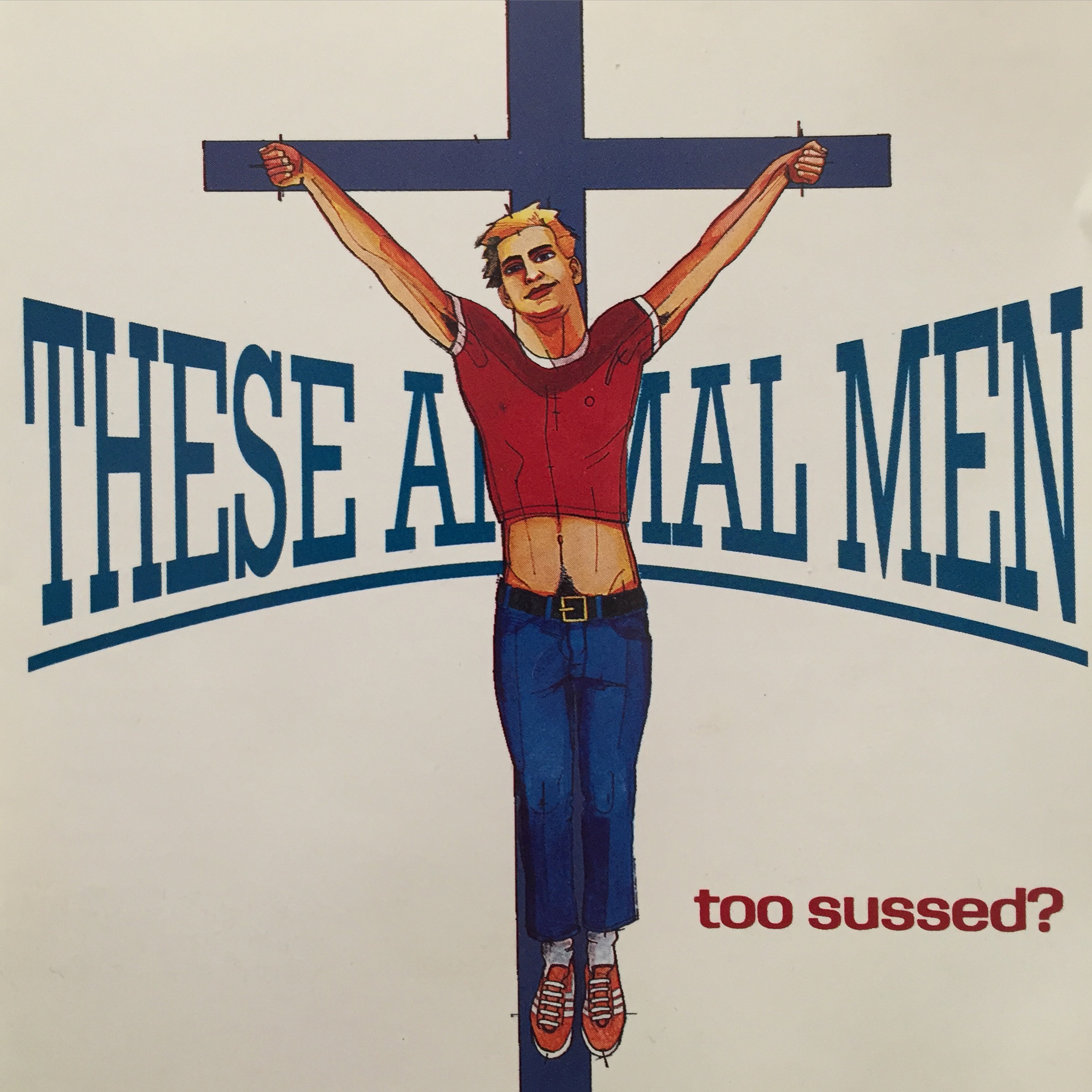
In a nutshell: The rise and fall of pre-Britpop music scene New Wave of New Wave, told through its two main bands These Animal Men and S*M*A*S*H
Who is the parent of Britpop?
Various arguments have been made and various fingers have been pointed at various bands; from The Auteurs to Suede, from Gene to The Stone Roses. One line of reasoning you most probably haven’t heard is the case for New Wave of New Wave – the horrendously titled, short-lived music scene in the early to mid-1990s.
This film by new director Adam Foley makes a convincing case for a DNA match between the two, based around NWONW’s main protagonists – These Animal Men and S*M*A*S*H.
This isn’t the film’s raison d’être – its overarching objective is seemingly to shine a light on something that burned brightly and was then forgotten – but it is a recurring theme; and an interesting one, given the continued reverence given to Britpop.
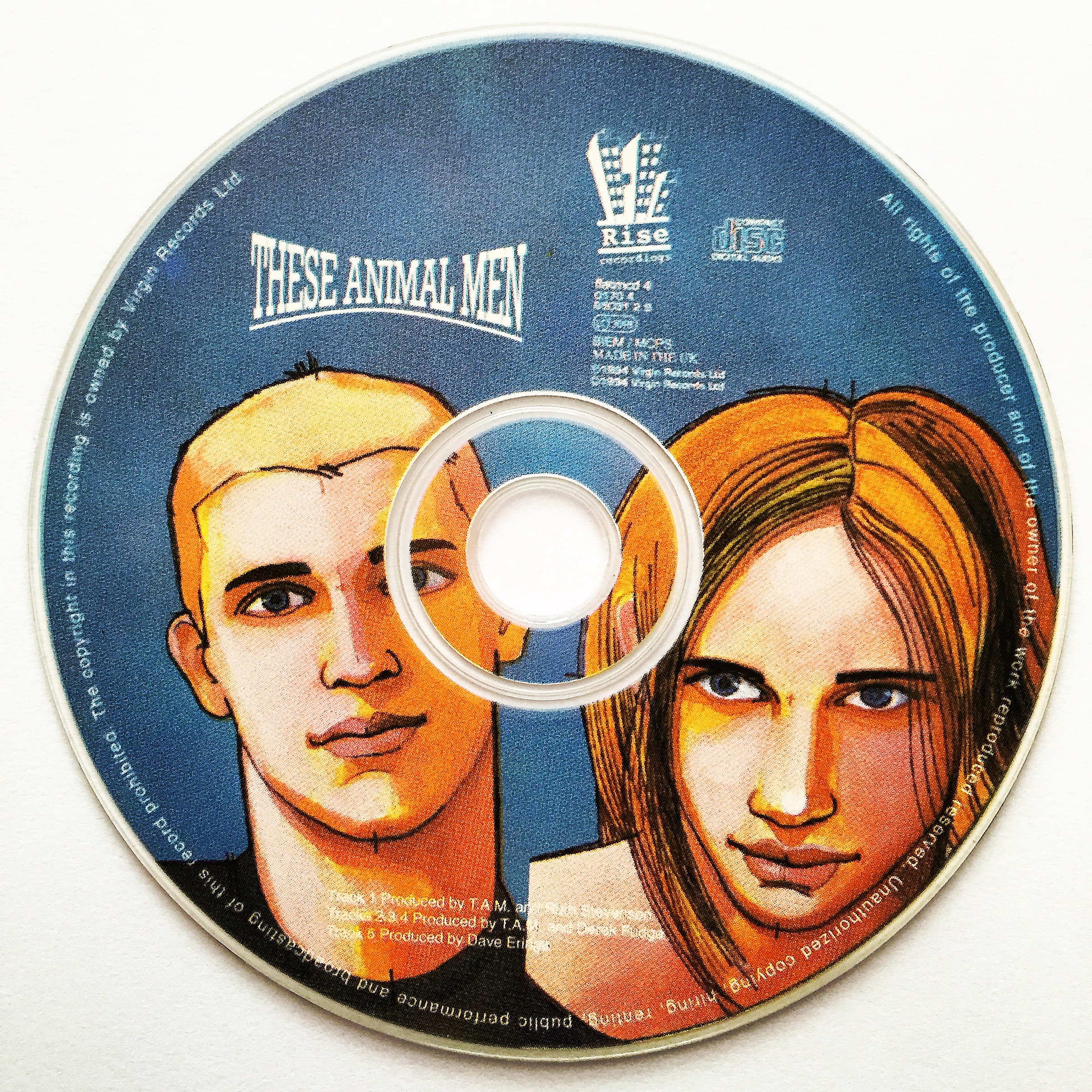
The bands were lumped together by music journalists under their cumbersome banner due to a shared high energy and passion, echoing punk and, rather obviously, New Wave. Both courted controversy and grabbed headlines early in their careers and fizzled out following what is presented by both bands as a rather inevitable spiral into decay. Musically I never really bought into the link between the two, but the banner served its purpose for journos and bands alike at the time.
The film’s main success is in reminding us what great bands the two were. Strip away the hype, the clothes, the eyeliner and what is left is great music and electrifying live performances.
Foley’s directoral debut is clearly a labour of love about a scene that meant a lot to him. Although it is far from an adoring tribute. He lays bare the shittiness of being in a band that’s treading water. When Stevie, TAM’s original drummer, tells the camera that he was an outsider in his own band and that these were the loneliest days of his life, it’s hard not to feel for him.
In the film, music journalist John Robb (louderthanwar.com) makes the most incisive comment that: “Catalyst bands are great… unless you’re in one.”
The star of the film is undoubtedly Julian (or Hooligan as was his stage alter ego), TAM’s guitarist and co-songwriter. He is both comic relief and searing honesty. As in their pomp, he gives all the soundbites.
Boag, TAM’s singer, still looks every inch the frontman. Never mind Britpop; a strong case could also be made for influencing Noel Fielding’s Mighty Boosh creation Vince Noir. Hooligan and Boag are one of Rock and Roll’s great lost double acts. Imagine a better dressed version of Pete Doherty and Carl Barat, who actually really like each other. They have the strut, the moves, the poses and, most notably, the talent. Boag has a great rock voice with council estate drawl and they both wield a guitar as if stuck to it by 1,000 volts.
S*M*A*S*H leader Ed Borrie also still cuts it – all razor-blade cheekbones and chic silver crop. For me, TAM were always the better band; more complete. But as the film shows, S*M*A*S*H had some cracking songs; Lady Love Your Cunt remains the provocative standout. Much is made of their small-town roots (the very un-rock-and-roll Welwyn Garden City) and Foley uncovers how this informed and shaped their songs. TAM were the cool kids from cool Brighton who started hanging out in cool Camden. Although, it is interesting to hear Julian talk of how insecure they were with regard to peers such as Elastica: “We didn’t believe we were as good as them.”
In his book Bad Vibes, Auteurs frontman Luke Haines recalls the scene: “The New Wave of New Wave arrives unheralded and unwanted, and hangs around for about a month. Groups of men who are old enough to know better pretend to be gangs of speeding punks in areas of urban decay, and pose for photos beneath silly graffiti slogans. Now close your eyes and count to three. When you open your eyes the memory will be gone…”
Rather unkind and also rather expected from such a misanthrope as Haines, but also representative of the subsequent attitude of Britain’s music press towards the bands that had, for a couple of years, filled many column inches in their publications. History has painted a fairly unkind picture of NWONW that this film will hopefully go some way to righting.
History has also shat on the indie scene preceding NWONW – especially the ‘Grebo’ bands The Wonder Stuff, Ned’s Atomic Dustbin and Pop Will Eat Itself. This is the subject for another comment piece, but I just can’t understand the reverence paid to their peers The Stone Roses, when half of their output was poor (good first album, shitty second).
I don’t agree with the assertion in the film that the late 80s/early 90s indie scene preceding NWONW was toothless and with little merit. It seems rather contrary for Julian to claim that The Senseless Things weren’t speaking to anyone and that no one cared about them, when that band put out deliberately provocative and uncommercial records such as Homophobic Asshole, when his own band admitted that they were too stupid to have political opinions. Indeed, the film shows footage of TAM at the Phoenix Festival, where for TAM everything capitulated and they came under fire from the audience, precipitating the end for the band. The same festival saw The Wonder Stuff headline the main stage for what was then their final gig; going out on their own terms. Massive crowds turned out. The point is – people did care about the bands of that indie scene.
And, for a time, people also cared about NWONW. As John Robb rightly states in the film: “Haircuts and trainers are very important in rock and roll.”
When Julian says he is happy for TAM’s second album to be an “undiscovered gem”, you don’t totally believe him and wonder why it all went away when a scene emerged that was a dumbed-down version of what they were doing. Surely they could have been kings of Britpop? Or at least sat at the round table?
The reason for their demise isn’t wholly explored. It seems to be just that the music press were not interested anymore, which has happened to any number of bands, and that they all hated the drummer (who was replaced by Rob Hague from S*M*A*S*H). Maybe Patrick, TAM’s bassist, was right when he said that their early link to drugs (the bowl of white powder on the Speed King sleeve, outrage from MPs, banned from playing schools and youth clubs etc…) sealed their fate? To their credit, neither band flogged what was now a dead horse and went on to other things. Unfortunately for Julian and Boag, their next project, Mo Solid Gold, again showed great promise, with favourable press, but failed to garner the rewards their talent deserved.
For S*M*A*S*H, their demise is pinned on Ed Borrie’s drug habit. When the creative force behind a band is unable to function, the future isn’t bright. However, the whole scene had lost its lustre and the fickle focus of the music press had found a shinier alternative, albeit one dressed like NWONW. While the Blur/Oasis singles war is charted as memorably as a real conflict like the Falklands, the memory of TAM and S*M*A*S*H lived on through Louise Wener’s trainers.
Fathers of Britpop? You can definitely see a family resemblance.
 Bared Teeth
Leave a comment